
Ever been stuck on the side of the road with nothing but your phone and mounting panic? Yeah, we’ve all been there. But what if you had a secret weapon in your wallet—your credit card? Most people don’t realize their credit cards offer roadside assistance perks, often bundled under terms like “service cap roadside.” So let me ask you this: are you actually getting your money’s worth from it?
In today’s post, you’ll discover how to fully leverage your credit card‘s roadside assistance benefits while staying within its service cap limits. We’ll break down everything from understanding coverage caps to avoiding hidden fees. Plus, I’ll share some brutally honest advice that banks *definitely* don’t want you to know. Ready? Let’s dive in!
Table of Contents
- Why Credit Card Roadside Assistance Matters More Than You Think
- Step-by-Step Guide to Maximizing Your Service Cap Roadside Benefits
- Tips for Staying Within Your Service Cap Limits
- Real-Life Examples of Smart Roadside Assistance Use
- Frequently Asked Questions About Credit Card Roadside Assistance
Key Takeaways
- Many credit cards include roadside assistance as part of their perks—use it or lose it.
- Understand your “service cap roadside” limit to avoid unexpected costs.
- Knowing the fine print can save you hundreds during emergencies.
- Avoid over-relying on these services by pairing them with supplemental insurance when possible.
Why Credit Card Roadside Assistance Matters More Than You Think
Picture this: It’s 2 AM, and your car battery dies smack in the middle of nowhere. No cell signal. No gas station nearby. This scenario might sound dramatic, but it happens more than you’d think. In fact, according to AAA, nearly 40 million drivers experience car trouble annually.
Now imagine being one of those unlucky souls—but wait! That shiny platinum rewards card tucked in your wallet could be your lifeline. Many premium credit cards (and even some mid-tier ones) come with roadside assistance programs baked right into their membership goodies. These services typically cover:
- Towing up to X miles
- Battery jump-starts
- Tire changes
- Lockout assistance
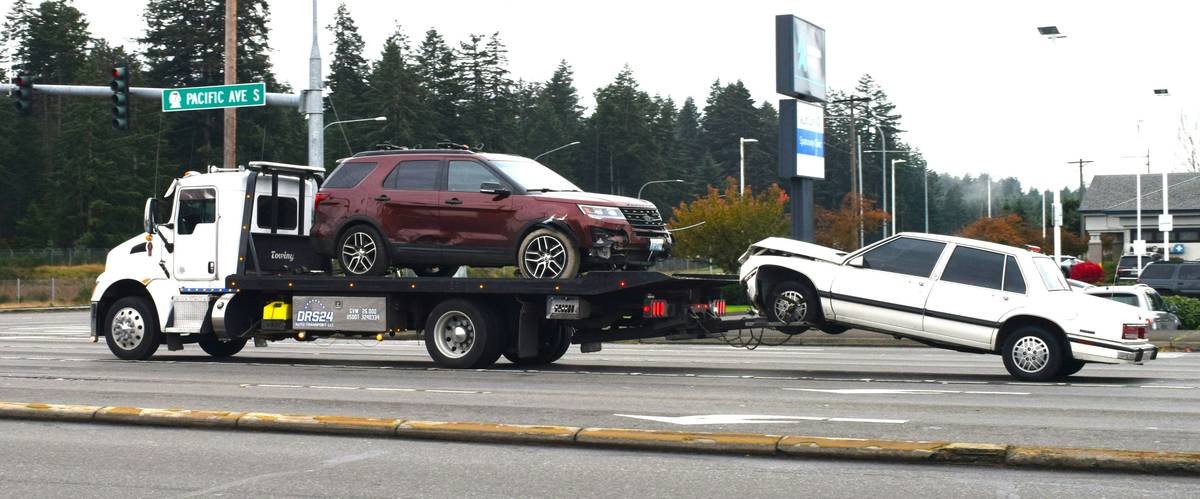
But here’s where things get tricky—most come with a sneaky clause called a “service cap roadside” limitation. Translation? There’s usually a maximum dollar amount per incident or year that the program will pay for. Once you hit that service cap, any extra charges are coming straight outta pocket.
This brings us to our first confessional fail moment…
I once got smacked with a $200 towing bill because I didn’t read my policy thoroughly. Rookie mistake, right? Turns out my card capped towing at just $75—and guess what? The tow truck driver wasn’t budging until paid. Lesson learned.
Step-by-Step Guide to Maximizing Your Service Cap Roadside Benefits
Luckily, avoiding expensive headaches like mine is easier than ever. Follow these steps to ensure you’re making the most of your credit card’s roadside assistance perks:
Step 1: Read the Fine Print Carefully
“Optimist You:* Oh, sure, they’ll take care of everything! Free peace of mind forever!”
Grumpy Me: “Ughhh, fine—but check the darn manual first.”
Different issuers have wildly varying rules about what qualifies under their roadside assistance packages. Some cards only cover local towing (like within a 10-mile radius), while others might extend that up to 50 miles. Jot down key numbers so you’re not scrambling mid-emergency.
Step 2: Keep Customer Support Numbers Handy
You won’t always remember exactly which number to call when disaster strikes. Save your card issuer’s dedicated hotline directly into your contacts list. And no, calling regular customer support isn’t good enough—they may route you incorrectly.
Tips for Staying Within Your Service Cap Limits
Let’s talk practicality. Here are five actionable tips to stay well below your cap without compromising quality help:
- Check Distance Rules: Only call for tows within allowed mileage ranges unless you’re okay footing the rest.
- Prioritize Preventative Maintenance: Don’t ignore warning signs like strange noises or dashboard alerts; addressing issues early prevents costly breakdowns later.
- Know Your Alternatives: If towing exceeds your card’s distance cap, research cheaper flatbed companies locally instead of defaulting to AAA-like partners.
- Combine Coverage Wisely: Supplemental auto insurance policies sometimes fill gaps left by credit card caps.
- Avoid Terrible Tip Alert: DO NOT SHARE YOUR CARD LIMIT! Towing providers occasionally try upselling unnecessary extras based on perceived budget flexibility.
Real-Life Examples of Smart Roadside Assistance Use
To really drive home (pun intended!) why utilizing your ‘service cap roadside’ benefit smartly pays off, consider Sarah’s story:
Sarah found herself stranded after her alternator went kaput outside Chicago. Rather than blindly accepting the initial $300 quote she received from the nearest tow company, she reviewed her Chase Sapphire Preferred card’s policy beforehand. Lo and behold—it offered free local tows up to 15 miles AND discounted labor rates beyond that. By negotiating upfront with the dispatcher using her bank info, Sarah ultimately walked away spending zero dollars out of pocket.
Frequently Asked Questions About Credit Card Roadside Assistance
What does “service cap roadside” mean?
Your credit card’s roadside assistance comes with preset limits—these define how much financial aid you’ll receive per incident before needing to cover remaining costs independently.
Are tolls covered too?
Rarely. Always confirm whether additional expenses such as tolls fall inside or outside stated caps.
Can I upgrade coverage through my card?
Sometimes! Certain higher-tiered versions offer enhanced roadside protection plans available via subscription add-ons. Call customer service directly to inquire further.
Conclusion
So there you have it—the ultimate guide to mastering your credit card’s built-in ‘service cap roadside’ benefits! From dissecting fine prints to learning savvy negotiation tactics, armed with these strategies, next time fate throws a flat tire your way, you’ll handle it like an absolute pro.
Remember though—the best defense remains proactive maintenance paired strategically alongside secondary safeguards like comprehensive auto insurance plans.
And now, since every great article deserves a little easter egg closure:
SOS calls fade away,
Credit card saves the day.
Roadside woes begone!

