
Ever been stranded on a desolate highway with nothing but your car and an ominous “Check Engine” light flashing? Now imagine if the only thing standing between you and rescue was… your credit card?
Welcome to the ultimate guide where we blend personal finance smarts with roadside heroics. In this post, you’ll uncover how understanding your credit mile limit can save both your wallet and your sanity—because who has time for breakdown drama when there are miles to chase?
We’ll dive deep into:
- The hidden costs lurking behind every roadside call.
- A step-by-step guide to leveraging your card’s benefits without breaking the bank.
- Tips to avoid sneaky pitfalls that could max out those precious mileage perks.
- Real-life examples of drivers who mastered their credit cards.
Table of Contents
- Key Takeaways
- Understanding Your Credit Mile Limit
- Actionable Guide: Maximize Credit Card Roadside Benefits
- Best Practices for Smart Savers
- Success Stories from the Road
- FAQs About Credit Card Roadside Assistance
Key Takeaways
- Your credit mile limit determines how far your coverage extends geographically—not just in dollars spent.
- Roadside assistance isn’t standard across all cards; read the fine print before assuming anything.
- Maximizing these benefits often requires strategic usage patterns (and yes, even some coffee breaks).
Understanding Your Credit Mile Limit—Why It Matters More Than You Think
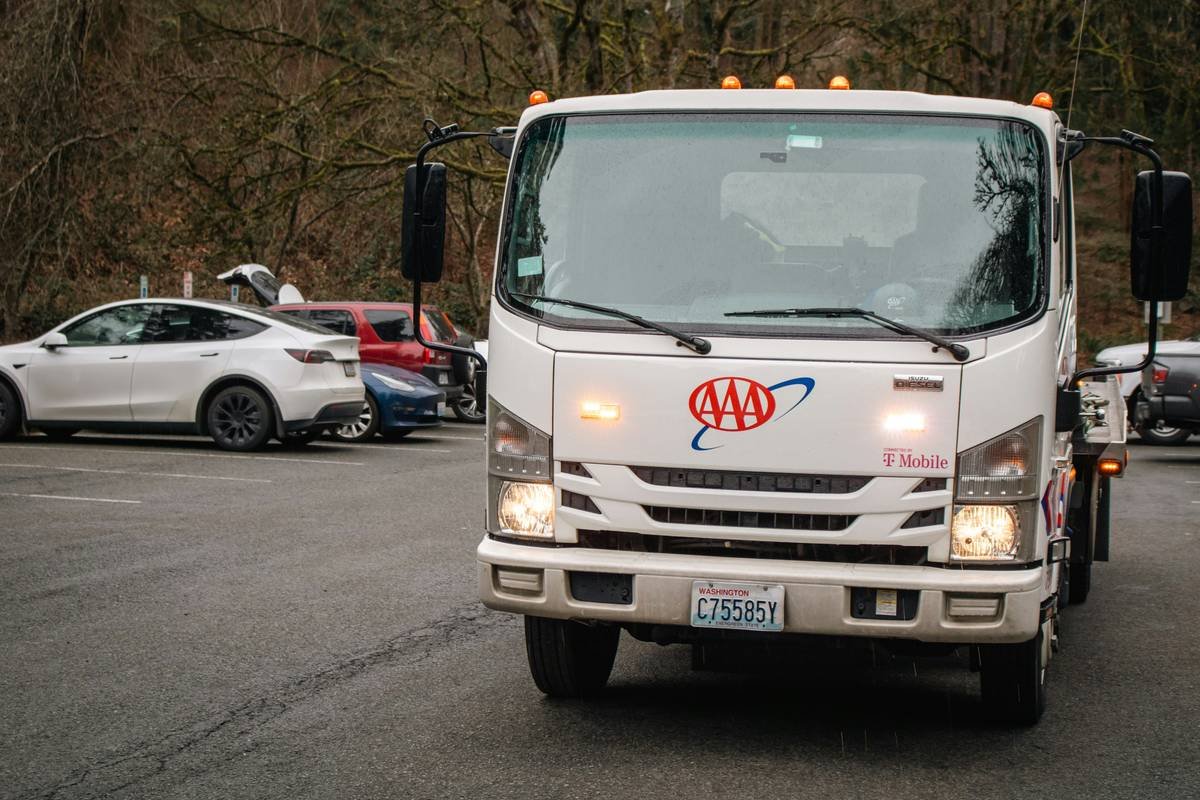
Let’s cut straight to the chase: What exactly is a credit mile limit? No, it’s not about reaching Mach 5 speeds on the freeway—it refers to the geographic boundaries within which your card offers roadside assistance services. For example, your card might cover towing up to 30 miles per incident but charge extra if you’re stuck beyond that radius. Bummer, right?
I learned this lesson the hard way once—a tire blowout outside Austin turned into a $150 tow fee because my card capped its service at 25 miles. The horror story didn’t stop there. A colleague made matters worse by using her premium card incorrectly, leading to denied claims and tears. Pain points like these aren’t uncommon. So buckle up as we explore why knowing your mile limit matters more than ever.
Insider Tip: Always keep emergency numbers handy—and know whether your issuer partners with AAA or similar providers. It makes life easier during those “oh crap” moments.
Actionable Guide: Maximize Credit Card Roadside Benefits Without Hitting the Mileage Wall
Optimist You: “Follow these five steps!”
Grumpy You: “Fine—but only after I finish my fourth cup of coffee.”
- Review Your Policy: Most people skim through terms faster than a squirrel dodging traffic. Don’t be that person. Check if your card covers flat tires, lockouts, fuel delivery, and battery jump-starts.
- Understand Coverage Limits: Dig into specifics like distance caps (hello, dreaded credit mile limit) and any additional fees outside covered zones.
- Plan Ahead: If traveling long distances, ensure you’re aware of partner garages along your route. Apps provided by issuers often list nearby approved mechanics.
- Call Directly: Skip third-party services unless instructed otherwise. They may inflate prices unnecessarily.
- Track Spending: Monitor your annual benefit cap—many cards reset after 12 months, meaning unused portions don’t roll over. Use them or lose them!
Tip Alert: Keep digital copies of relevant policy documents on your phone. That PDF will feel like finding Wi-Fi in dead zones someday.
Best Practices for Smart Savers: Breaking Down the Credit Mile Math
Now let’s get practical. Here are three golden rules to make sure you never overspend—or undersave—with your trusty plastic pal:
- Rule #1: Know Thy Enemy (i.e., Fees)
Familiarize yourself with charges for services exceeding your credit mile limit. Towing companies love nickel-and-diming uninformed customers. - Rule #2: Layer Protections
Combine card perks with optional insurance plans (like rental car waivers) to create a robust safety net. - Rule #3: Avoid This Terrible Tip…
Assuming roadside help is unlimited. One meme-worthy fail involved someone relying solely on their card for international trips—only to discover zero overseas support. Oof.
Success Stories from the Road: Drivers Who Mastered the Credit Mile Game
Story Time: Meet Sarah, a frequent traveler whose premium rewards card became her knight in shining armor. Stranded near Flagstaff due to engine trouble, she contacted her issuer directly and secured free towing within her 50-mile cap. Her secret? Reading the entire policy—including asterisk-laden footnotes—twice annually.
On the flip side, meet Mark (not his real name—he begged us not to tell). His neglect of policy details led to a $300 bill when he exceeded his credit mile limit while vacationing in Maine. Moral of the story? Treat your roadside policy like SPF sunscreen: reapply regularly!
FAQs About Credit Card Roadside Assistance
Q: Does every credit card include roadside assistance?
Nope, sorry. Most basic cards skip this perk entirely. However, higher-tier cards tend to sweeten deals with added protections. Always double-check!
Q: What happens if I exceed my credit mile limit?
You’ll typically pay standard rates charged by local tow operators. Pro tip? Negotiate upfront whenever possible.
Q: Can I use roadside benefits internationally?
Rarely. International calls rarely fall under your card’s umbrella. Look into supplemental travel insurance instead.
Conclusion: Stay Ahead of the Curve—and Farther Away From Breakdowns
In conclusion, mastering your card’s credit mile limit takes foresight, strategy, and maybe a dash of caffeine-induced determination. By staying informed, planning meticulously, and arming yourself with insider tips, you can transform potential disasters into minor inconveniences.
So next time you’re cruising down open roads, remember: Knowledge is power—and smart spending keeps you moving forward seamlessly.
Bonus Easter Egg Haiku:
Flat tire strikes at night,
Credit card saves the day,
Miles ahead now clear.

