
Ever broken down on the side of the road and wondered, “Does my credit card actually cover this?” Yeah, me too. Last year, I found myself stranded with a flat tire at midnight—no flashlight, no spare, and definitely no clue what my credit card’s roadside assistance even covered. Spoiler alert: It wasn’t as helpful as I’d hoped. If you’ve ever been in a similar situation (or just want to avoid one), you’re in the right place.
In this guide, we’ll dive deep into how credit card roadside assistance works, why emergency coverage repair matters more than you think, and what you need to know before your next breakdown. You’ll learn:
- What is credit card roadside assistance?
- How to maximize its benefits for emergency repairs.
- The mistakes most people make when relying on it.
- Real-life examples of how it saved drivers from chaos.
Table of Contents
- Key Takeaways
- Section 1: Why You Should Care About Credit Card Roadside Assistance
- Section 2: How to Access Your Emergency Coverage Repair Benefits
- Section 3: Tips to Avoid Common Pitfalls
- Section 4: Real-Life Stories of Roadside Rescue Success
- Section 5: FAQs About Credit Card Roadside Assistance
Key Takeaways
- Not all credit cards offer roadside assistance, but many premium ones do.
- Roadside assistance often includes services like towing, tire changes, fuel delivery, and lockout assistance—but limits apply.
- You may pay an annual fee or per-use charges, depending on your card policy.
- Always review terms upfront so you don’t end up stuck (literally).
Why You Should Care About Credit Card Roadside Assistance
Imagine this: You’re driving home after a long day at work, coffee running low, when suddenly your engine starts making a sound that’s somewhere between a whale call and nails on chalkboard. Great. Now what? Do you have roadside assistance coverage through your credit card? Did you even read the fine print?
Here’s the sad truth: Most people ignore their credit card perks until they’re knee-deep in trouble. But here’s why you shouldn’t sleep on emergency coverage repair:
- Saves Money: Towing alone can cost anywhere from $75-$300, depending on your location. With credit card roadside assistance, these costs could be partially—or fully—covered.
- Peace of Mind: Knowing help is just a phone call away makes those late-night drives less nerve-wracking.
- Convenience: Instead of hunting for local mechanics or tow trucks, you simply call the number provided by your credit card issuer.
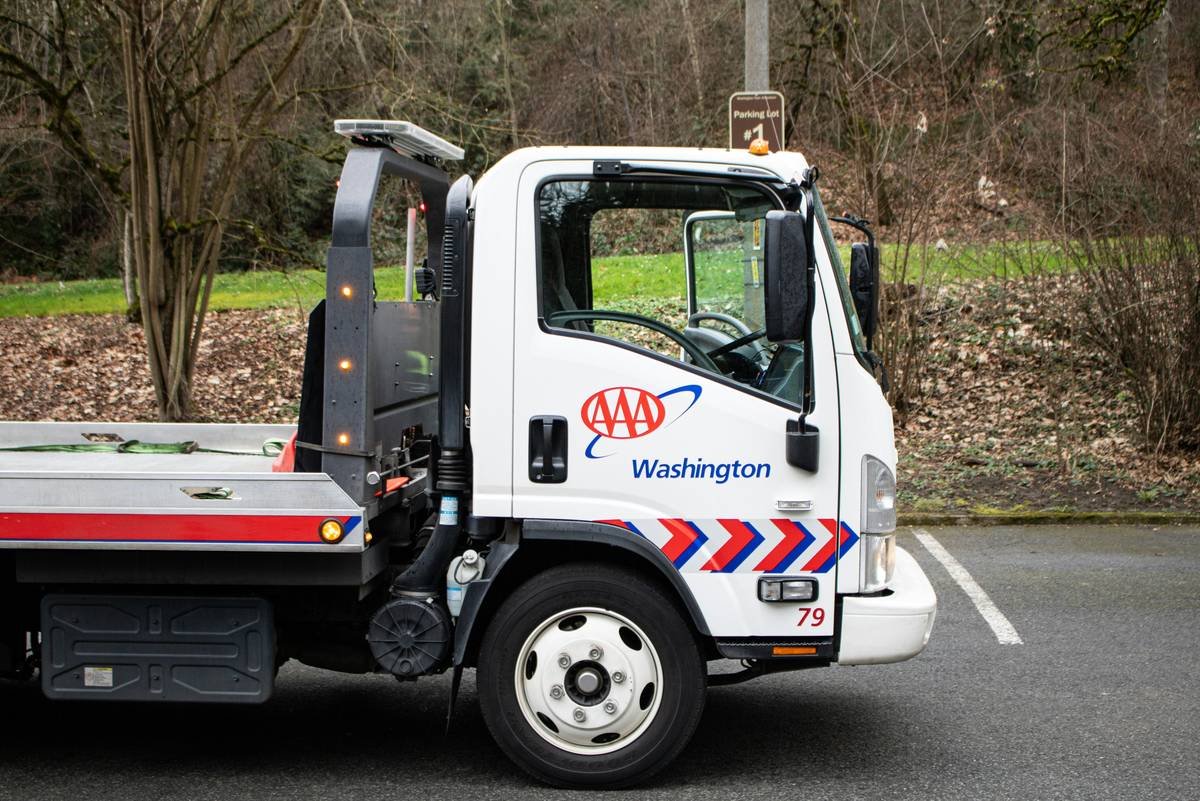
How to Access Your Emergency Coverage Repair Benefits
Optimist You:* “This sounds amazing! Let’s activate it!”
Grumpy You: “Ugh, hold up—there are hoops to jump through.”
To access your credit card roadside assistance, follow these steps:
- Check Eligibility: Not every credit card offers roadside assistance. Typically, premium travel and rewards cards include this feature. Check your cardholder agreement or contact customer service.
- Understand Limits: Does your card cap emergency coverage repair costs at $50 or $100 per incident? Are there mileage restrictions for towing? These details matter.
- Save the Number: Keep the roadside assistance hotline saved in your phone. Trust me, trying to dig this info out while stranded is not fun.
- Use Wisely: Don’t rely solely on your credit card. Consider pairing it with standalone roadside assistance memberships if needed.
Tips to Avoid Common Pitfalls
You might think, “Cool, I’ve got this!” But trust me, there are some rookie mistakes I wish someone had warned me about:
- Terrible Tip Alert: Assuming your credit card covers *everything.* Newsflash—it doesn’t. For example, labor over certain timeframes or luxury vehicles might incur extra fees.
- Don’t Skip the Fine Print: Every program has exceptions. Some won’t cover commercial vehicles, trailers, or RVs.
- Beware Time Constraints: Many programs only operate during specific hours. If you break down at 2 AM, you might be SOL unless you’ve planned ahead.
Real-Life Stories of Roadside Rescue Success
Let me tell you about Sarah. She was cruising along Interstate 95 when her car battery died unexpectedly. Her AAA membership expired months ago, but she remembered her Chase Sapphire Preferred card offered roadside assistance. One quick call later, a tow truck arrived within 45 minutes and brought her safely to a mechanic—all without dipping into her wallet.
Then there’s Tom, who learned the hard way that his Discover card’s roadside assistance wouldn’t tow his Jeep Wrangler past 10 miles. Lesson? Always confirm coverage limits beforehand.
FAQs About Credit Card Roadside Assistance
Does My Credit Card Have Roadside Assistance?
Maybe! Check your cardholder agreement or log into your account online to find out. Premium cards usually boast this perk, but basic ones rarely do.
Is There a Fee for Using This Service?
Sometimes. While the actual roadside assistance itself might come free, you may still face charges for things like parts replacement or additional mileage beyond what’s covered.
Can I Use It Outside the U.S.?
Rarely. Most credit card roadside assistance programs are limited to domestic use. Always check international policies before heading abroad.
Conclusion
Emergency coverage repair isn’t something you think about until disaster strikes—but when it does, having reliable roadside assistance can make all the difference. Whether it’s flat tires, dead batteries, or locked doors, leveraging your credit card’s built-in perks ensures you’re prepared for whatever life throws your way.
Remember, though: This isn’t a magic wand. Review your card’s terms carefully, plan accordingly, and never assume it’ll solve every problem. Stay safe out there!
Like a Game Boy running on AA batteries, your knowledge of credit card roadside assistance now has endless power-ups. 🔋 Carpe viam. 🚗💨

