
Ever been stranded on the side of the road with a flat tire—and no emergency fund to fall back on? Yeah, it’s about as fun as running out of coffee during tax season.
In today’s unpredictable world, having an emergency fund access plan is crucial. But what if I told you that your credit card could double as a lifeline when unexpected car troubles strike? Roadside assistance perks are often overlooked but can act as a mini-emergency fund for those “oh-crap” moments.
In this post, we’ll break down why credit card roadside assistance matters, how to make the most of it, and some hard truths (yes, there are downsides). By the end, you’ll know whether your plastic pal has got your back—or just empty promises. Let’s dive in!
Table of Contents
- Key Takeaways
- Why Credit Card Roadside Assistance Matters
- How to Unlock Your Card’s Roadside Rescue Perks
- Tips for Maximizing Emergency Fund Access Through Your Card
- Real-Life Wins (and Losses)
- FAQs About Credit Card Roadside Assistance
Key Takeaways
- Credit card roadside assistance offers peace of mind without tapping into your real emergency fund.
- It’s not all sunshine and rainbows—there are limits and hidden fees to watch out for.
- To maximize benefits, read the fine print and choose a card with robust coverage.
- Roadside assistance doesn’t replace the need for an actual savings cushion—it complements it.
Why Credit Card Roadside Assistance Matters
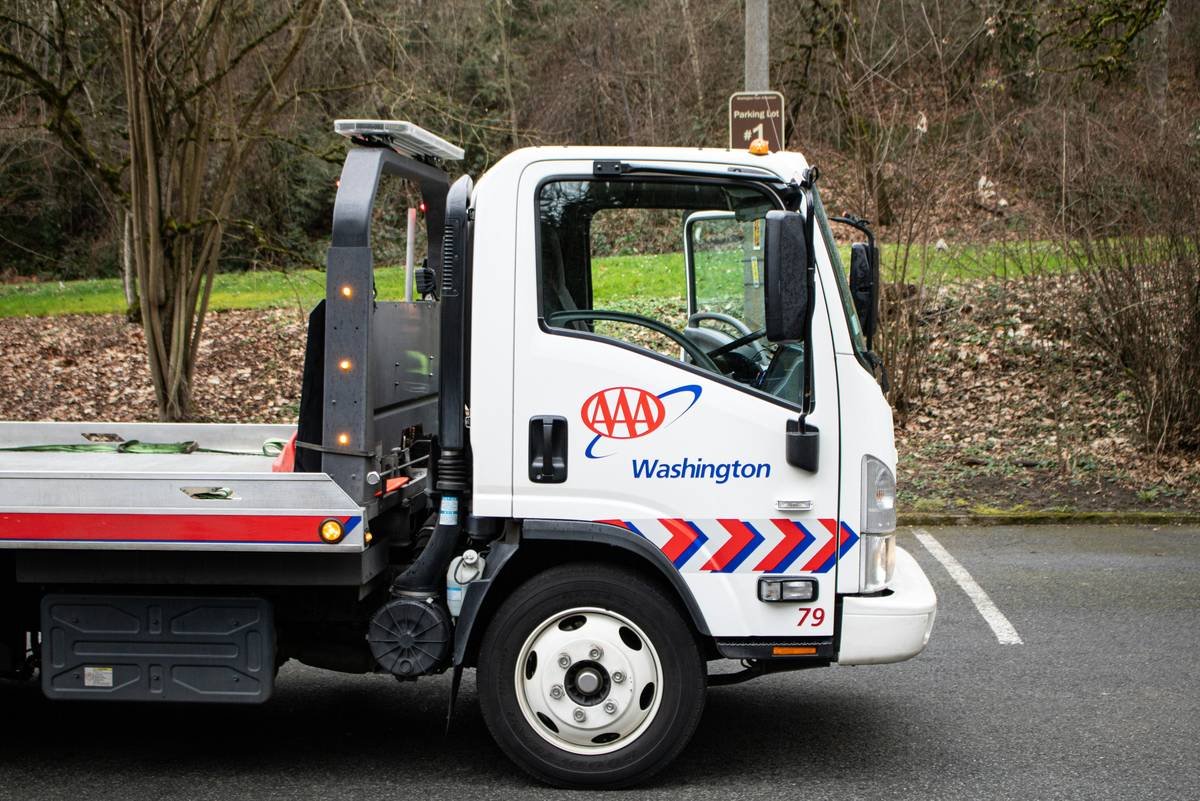
Picture this: It’s midnight, freezing cold, and your car battery decides to call it quits. You’re stuck miles from home, far from help. Sure, calling AAA might be an option—if you remembered to pay their annual fee. But here’s where your trusty wallet comes in. Many premium credit cards offer roadside assistance as part of their perks package.
For many people, these services feel like free money until they realize their true value. Imagine avoiding hundreds in tow truck charges or mechanic fees by simply dialing a hotline linked to your card provider. This makes roadside assistance one of the unsung heroes of personal finance—a sneaky way to stretch your emergency fund access.
How to Unlock Your Card’s Roadside Rescue Perks
Optimist You: “Follow these steps!”
Grumpy You: “Ugh, only if snacks are involved.” Fine, let’s get started.
Step 1: Check Eligibility
Not every card comes equipped with roadside assistance. To avoid disappointment, log into your account or check the official terms & conditions document. Look for phrases like “complimentary roadside service” under the benefits section.
Step 2: Understand Coverage Limits
Here’s the kicker: Most roadside assistance programs have caps on payouts per incident. For instance, they may cover towing up to $50-$100—but anything beyond that comes out of pocket. Read the fine print carefully so surprises don’t leave you broke.
Step 3: Keep That Number Handy
Create a contact shortcut for your card issuer’s roadside assistance line. Trust me—you won’t want to Google it while shivering roadside at 2 AM.
Step 4: Use It Strategically
This perk isn’t meant to replace regular maintenance or long-term repairs. Instead, think of it as a temporary fixer-upper. Need gas delivered because you miscalculated highway mileage? Perfect scenario. Looking to overhaul your transmission? Not covered.
Tips for Maximizing Emergency Fund Access Through Your Card
Let’s level up. Here are some pro tips to ensure you’re maximizing your card’s roadside benefits:
- Compare Programs Before Signing Up: Different cards offer varying levels of coverage. Some include jump-starts, lockout services, even flat tire changes.
- Track Usage: Don’t abuse the system. Over-reliance could trigger a review or cancellation of your benefit.
- Pair with Insurance Wisely: If you already carry auto insurance with roadside assistance included (like Geico), consider which option saves more money annually.
- Avoid Terrible Tips: Contrary to shady advice online, NEVER claim roadside assistance claims were someone else’s fault. Fraud alerts will haunt you later.
Real-Life Wins (and Losses)
Story Time Alert: A friend once drove halfway across the country only to blow a tire in the middle of nowhere. Lucky for her, she had signed up for the Chase Sapphire Preferred® Card months prior. With one phone call, a tow truck arrived within 45 minutes, and everything was covered under her complimentary roadside assistance program.
On the flip side, another buddy tried using his card’s roadside perk after ignoring minor brake issues for weeks. The repair shop wouldn’t take partial responsibility, leaving him stuck with a $600 bill. Lesson learned: These programs aren’t cure-alls—they’re stopgaps.
Rant Moment: Why do companies bury critical details about exclusions deep inside user manuals?! Seriously, who reads those?
FAQs About Credit Card Roadside Assistance
Q: Is credit card roadside assistance really free?
A: Sort of. While the service itself is usually complimentary, certain actions (like exceeding mileage limits) may incur additional charges.
Q: Do all cards include this benefit?
A: Nope. Premium cards tend to pack better perks than entry-level ones. Always confirm before applying.
Q: Can I use my card’s roadside assistance multiple times?
A: Yes, but frequency depends on your issuer’s policies. Some limit usage to three instances per year.
Conclusion
Credit card roadside assistance is kind of like that quiet kid in class who sits in the back but always knows the answers—it flies under the radar but proves invaluable when needed most. While it shouldn’t replace your dedicated emergency fund access, it’s an excellent safety net for transportation hiccups.
Remember, knowledge is power. Use this guide to evaluate your card’s benefits wisely and keep your wallet intact during life’s curveballs.
Bonus Haiku:
Flat tires, no stress,
Plastic hero saves the day.
Coffee runs smoother.

