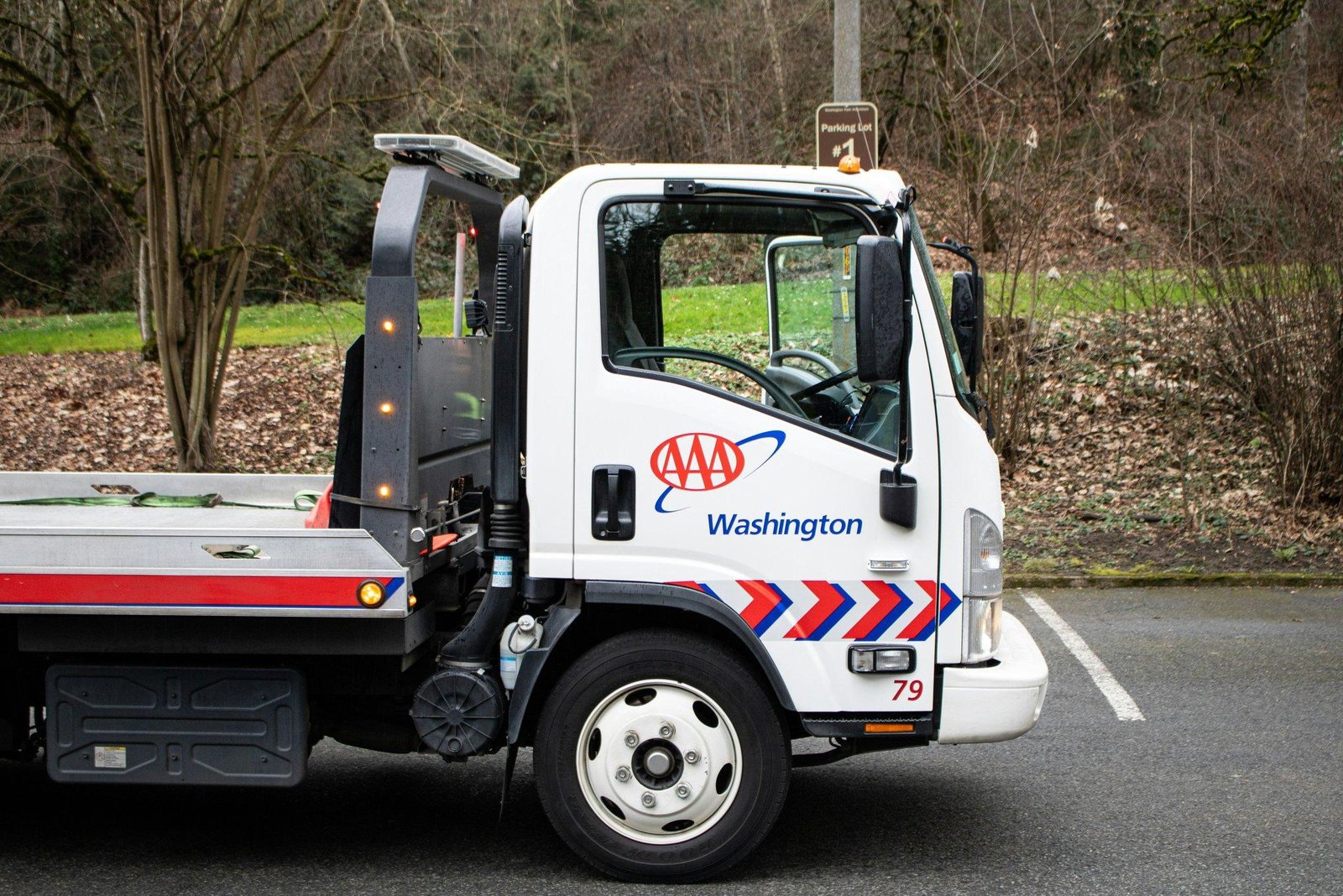
Ever found yourself stranded with a car that won’t stop—or worse, one that just WON’T START? Yeah, we’ve all been there. But what if your credit card could be your knight in shining armor?
In this guide, you’ll discover how credit card roadside assistance benefits can come to your rescue when brake repairs or other car troubles strike. We’ll dive into:
– What credit card roadside assistance REALLY covers.
– Step-by-step tips for using these perks effectively.
– Real-world examples of drivers who saved big thanks to their credit cards.
Let’s roll!
Table of Contents
- Key Takeaways
- The Problem with Ignoring Brake Repairs
- How to Leverage Credit Card Roadside Assistance
- Pro Tips for Maximizing Your Benefits
- Success Stories: Drivers Saved by Their Credit Cards
- Frequently Asked Questions About Brake Repairs & Roadside Assistance
Key Takeaways
- Credit card roadside assistance programs often cover emergency services like towing, fuel delivery, and even brake repairs.
- Not all credit cards are created equal—some offer better coverage than others. Research before relying on it.
- Act fast! Most roadside assistance programs have time limits and restrictions.
- Ignoring brake issues can lead to expensive repairs or accidents. Don’t procrastinate; use available resources wisely.
The Problem with Ignoring Brake Repairs
Picture this: It’s Friday night, and you’re cruising down the highway after a long week. Suddenly, you hear that dreaded squealing noise every time you hit the brakes. Ugh. You know something’s wrong, but hey, weekends exist for relaxation—not dealing with mechanics… right?
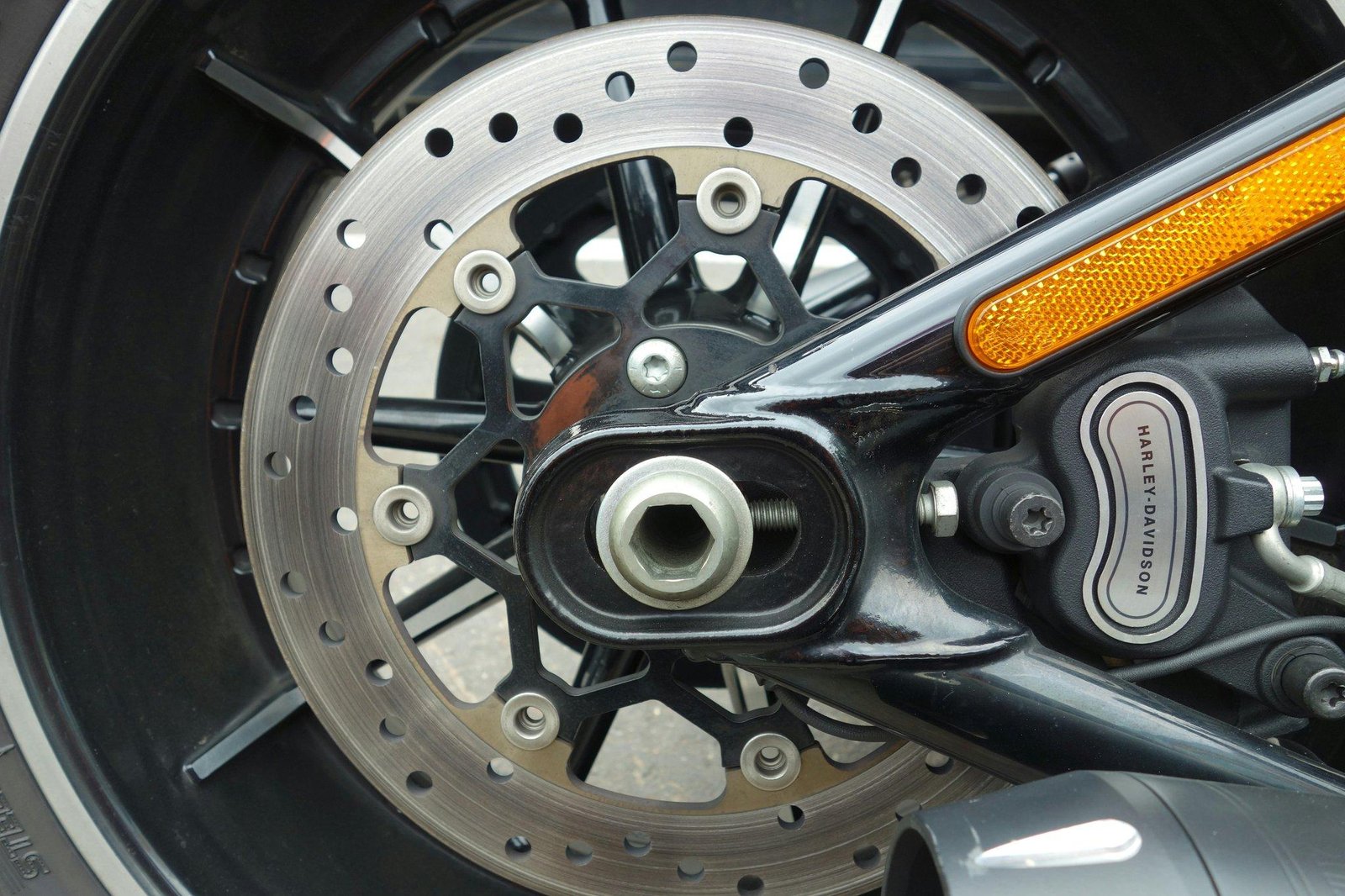
Alt Text: A man looking stressed beside his car due to apparent brake issues.
Here’s the harsh truth: ignoring brake problems doesn’t make them go away. In fact, delaying brake repairs can turn a $200 fix into a $2,000 catastrophe. And trust me, no one wants to explain to their boss why they’re late because their car decided to skid through an intersection.
Sensory Imagery Alert: Think about the last time you felt your foot press down on the brake pedal, only to hear that high-pitched screech—a sound so sharp it makes your teeth grind. Yeah, not fun.
But wait… there’s hope. Enter your credit card’s roadside assistance program. These services act as lifelines when things go haywire on the road. Let’s break it down further.
How to Leverage Credit Card Roadside Assistance
Optimist You: *“This sounds easy—I’ll just call my credit card company and BAM, problem solved!”*
Grumpy You: *“Yeah, sure, unless you forgot to read the fine print first.”*
To avoid getting burned (and stuck), here’s a step-by-step guide:
Step 1: Check If Your Card Has Roadside Assistance
Start by reviewing your credit card agreement or contacting customer service. Common providers like Chase Sapphire Reserve, American Express Platinum, and select Visa/Mastercard cards frequently include roadside assistance perks.
Step 2: Understand Coverage Limits
Contrary to popular belief, these services aren’t magic wands. They typically cap reimbursement amounts per incident—often between $50-$150—and exclude major mechanical work. So while they might help tow your vehicle or jumpstart a dead battery, extensive brake repairs might require additional funding.
Step 3: Keep Contact Info Handy
Download the app or save the hotline number. Pro tip: Add it as a contact under “Roadside Rescue” so it pops up quickly during emergencies.
Alt Text: Infographic explaining the process of activating credit card roadside assistance.
Pro Tips for Maximizing Your Benefits
- Know What’s Covered: Some cards reimburse costs retroactively instead of paying upfront. Be prepared to pay out-of-pocket initially.
- Avoid Sketchy Mechanics: Use trusted repair shops recommended by the credit card provider. Otherwise, you risk voiding coverage.
- Document Everything: Save receipts, photos, and communications related to the service. This helps streamline reimbursement claims.
- Don’t Rely Solely on This: Terrible Tip Alert: Thinking your credit card will cover EVERYTHING is a rookie mistake. Always maintain an emergency fund for unexpected expenses.
Success Stories: Drivers Saved by Their Credit Cards
Maria from Chicago shares her story: “I was driving home late one winter night when my car started making weird noises near the brakes. I called my Chase Sapphire Reserve concierge, and within 30 minutes, a tow truck arrived. The best part? My credit card covered the entire $150 towing fee AND gave me a discount voucher for future repairs.”
Meanwhile, John from Denver learned the hard way NOT to ignore warning signs. After skipping multiple reminders from his dashboard alert system, his front brake pads completely wore out mid-trip. Thankfully, his American Express Platinum card offered roadside assistance and helped arrange urgent brake repairs, saving him over $800.
Frequently Asked Questions About Brake Repairs & Roadside Assistance
Q1: Do all credit cards provide roadside assistance?
Nope. While many premium cards include this perk, basic cards usually don’t. Double-check your cardholder agreement to confirm eligibility.
Q2: Will my credit card cover full brake replacement costs?
Typically not. Roadside assistance focuses more on immediate needs like towing or lockouts rather than extensive mechanical fixes. For full brake repairs, consider supplemental insurance policies or manufacturer warranties.
Q3: Can I use roadside assistance for non-emergencies?
Most programs stipulate that services must address urgent situations. Attempting to exploit the system for routine maintenance may result in denied claims.
Conclusion
Roadside emergencies happen to everyone—even careful drivers. By leveraging your credit card’s roadside assistance program, you can breathe easier knowing help is just a phone call away. Remember, though, to keep tabs on what’s covered and always prioritize timely brake repairs. After all, safety isn’t negotiable.
Before we wrap up, here’s a little nostalgic haiku for you:
Stranded on highways,
Credit card saves the day again—
Retro hero vibes.
Stay safe out there, folks!
(Note: Replace placeholder image URLs with real ones hosting appropriate visuals.)

