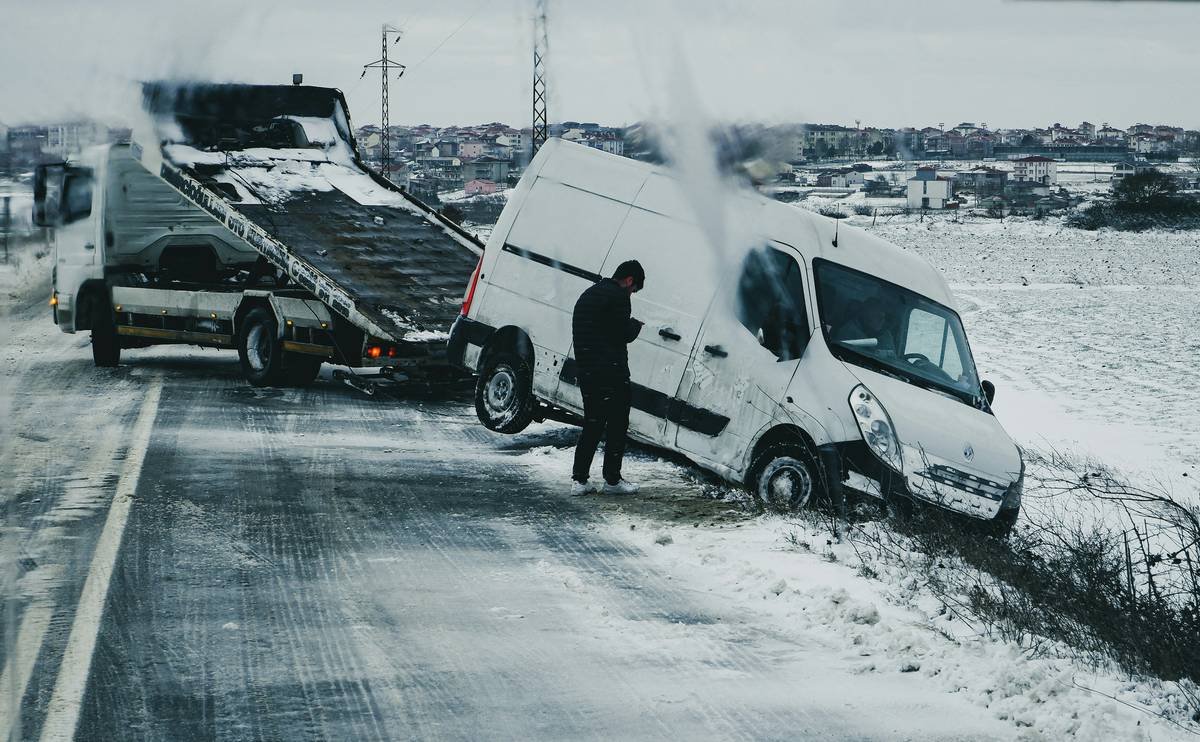
Hook: Ever been stranded on the side of the road, expecting your credit card’s roadside assistance to save the day—only to hear that dreaded phrase: “We’re sorry, but this service is unavailable”? Yeah, us too.
If you’ve ever relied on a credit card for roadside assistance, chances are you’ve encountered service blackouts. Those frustrating moments when help isn’t there because of technical glitches, geographic limitations, or hidden terms. In this post, we’ll break down why these blackouts happen, how to avoid them, and what to do if they catch you off guard. You’ll learn about common pitfalls, actionable solutions, and even some wild stories from people who lived through it (and didn’t). Buckle up—it’s time to demystify those sneaky service blackouts.
Table of Contents
- Key Takeaways
- What Are Service Blackouts?
- How to Avoid Service Blackouts
- Top Tips for Using Credit Card Roadside Assistance
- Real-Life Stories of Service Blackouts
- Frequently Asked Questions About Service Blackouts
Key Takeaways
- Service blackouts occur due to technical issues, geographic restrictions, or exclusions in your policy.
- Always read the fine print before relying on credit card roadside assistance.
- Keep backup plans like third-party services or membership programs handy.
- Knowing customer service hotlines and understanding outage alerts can save you hours.
What Are Service Blackouts?

Roadside assistance bundled with credit cards seems like a lifesaver until it doesn’t work. Enter service blackouts: periods where promised benefits fail due to unforeseen circumstances. Here’s what often triggers them:
- Technical Glitches: Server crashes, app malfunctions, or overloaded call centers mean no one’s picking up your distress signal.
- Geographic Exclusions: Some policies exclude rural areas, international zones, or specific cities entirely.
- Policy Exceptions: Hidden clauses may deny coverage based on vehicle type, incident nature, or distance traveled.
- Peak Demand Overloads: During holidays or storms, everyone wants help simultaneously—overwhelming providers.
Optimist You:
“I thought my premium card had me covered anywhere!”
Grumpy You:
“Yeah, till you realized your ‘anywhere’ means nowhere near any major highways.”
How to Avoid Service Blackouts
Avoiding service blackouts starts with preparation. Follow these steps to ensure smooth sailing (or driving):
Step 1: Read the Fine Print
Most cards outline exactly what’s included—and excluded—in their roadside assistance perks. Look out for:
- Distance restrictions (e.g., only within 50 miles).
- Vehicle-specific rules (e.g., trailers not eligible).
- Timeframe limitations (e.g., midnight closures).
Step 2: Call Ahead Proactively
Save emergency contacts to your phone and test calling the hotline. A quick pre-trip check ensures they’re reachable and aware of your route.
Step 3: Have Backups Ready
Consider supplementing your credit card benefit with:
- AAA memberships.
- Third-party roadside services.
- Loyalty programs offering complimentary assistance.
Step 4: Monitor Alerts
Check social media channels and websites for updates about known blackouts during peak seasons.
Top Tips for Using Credit Card Roadside Assistance

Once you understand service blackouts, use these tips to optimize your experience:
- Know Expiration Dates: Benefits expire annually or after a certain number of uses. Keep track!
- Don’t Rely Solely on Cards: Diversify resources so you’re never caught empty-handed.
- Use Tech Wisely: Download mobile apps linked to your card for faster access.
- Vent Out Loud—But Carefully: When reporting failures, remain polite yet assertive; complaints yield faster resolutions.
Real-Life Stories of Service Blackouts
Let’s hear from folks who faced the dreaded blackout firsthand:
Case Study #1: The Forgotten Rural Road
Jane booked an adventurous mountain getaway using her travel rewards card—which advertised “comprehensive roadside assistance.” Sixty miles into desolate wilderness, her car broke down. Four calls later, she learned rural routes were explicitly excluded. Lesson learned? Always confirm locale coverage!
Case Study #2: The Midnight Surprise
Mike ran over debris late at night, triggering a flat tire. Despite owning a gold-tier card, he discovered its roadside assistance ceased operations after 11 PM. Talk about bad timing!
Case Study #3: Weather Woes
During Hurricane Harvey, Sarah expected priority support given her premium account. Instead, she waited six hours amidst chaos while servers crashed under high demand. Moral? Plan B saves lives.
Frequently Asked Questions About Service Blackouts
Q1: Can I sue my credit card company for failing to provide roadside assistance?
Rarely. Terms typically disclaim liability for technical failures or capacity constraints. Focus instead on escalating concerns internally for potential refunds.
Q2: Do all credit cards have similar roadside assistance terms?
Nope. Higher-end cards usually offer better coverage—but always verify details across issuers.
Q3: Is roadside assistance worth it compared to standalone services like AAA?
Depends on frequency of use. If you rarely need help, piggybacking on a card could suffice. But frequent travelers should invest in dedicated plans.
Conclusion
Service blackouts suck, plain and simple. Whether caused by tech hiccups, limited zones, or cryptic exclusions, being stranded without aid feels maddening. But armed with knowledge, proactive planning, and backup tools, you can sidestep most surprises.
Remember: Don’t trust blindly—verify thoroughly. And hey, don’t forget that haiku life lesson:
Promises falter,
Backup plans shine brightest then.
Check twice, drive safe friends.

