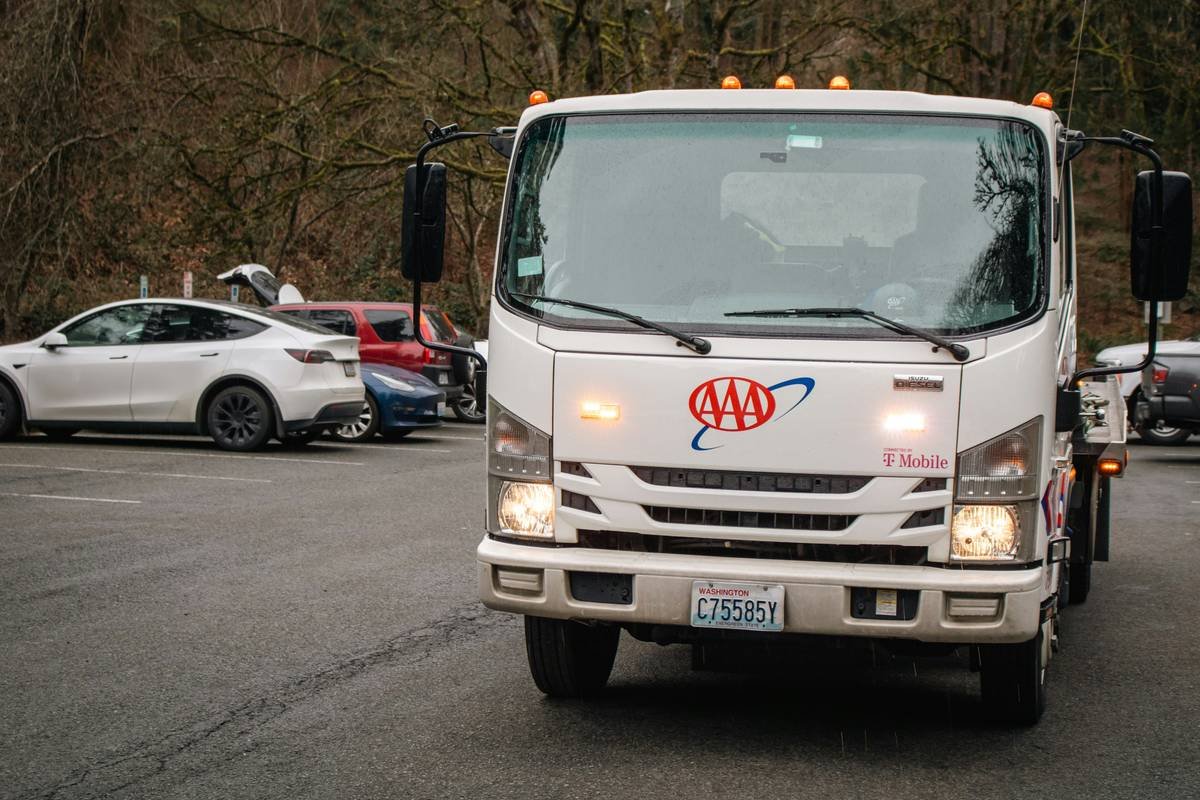
Ever broken down on the side of a deserted highway, sweating bullets while you wait for help? It happens more often than we’d like to admit. In fact, AAA reports that over 32 million drivers in the U.S. experience roadside emergencies each year. If you own a credit card with roadside assistance benefits, you might think you’re covered no matter where you are—but here’s the kicker: not all service areas are created equal. Enter “Service Radius,” the unsung hero (or villain) of your credit card perks package.
In this post, we’ll dive deep into what “Service Radius” means for your peace of mind, explore its limitations and advantages, and reveal how to maximize this benefit when you need it most. You’ll also get insider tips, real-life examples, and some brutally honest advice along the way.
Table of Contents
- Key Takeaways
- Section 1: Why Does “Service Radius” Matter?
- Section 2: How to Check Your Credit Card’s Service Radius
- Section 3: Tips to Maximize Your Coverage
- Section 4: Case Studies from Real Users
- FAQs
Key Takeaways
- The term “Service Radius” refers to the geographic area where your credit card’s roadside assistance benefits apply.
- Not all cards have the same coverage radius—some may only cover urban centers, leaving rural travelers stranded.
- To avoid surprises, always read the fine print before relying solely on your card’s roadside benefits.
- Pair your credit card perks with supplemental insurance if you frequently travel outside major cities.
Why Does “Service Radius” Matter?
If you’ve ever been stuck miles away from civilization wondering whether your roadside assistance will show up, trust me, you’re not alone. I once found myself stranded near an abandoned gas station at midnight because my card’s roadside assistance didn’t extend beyond city limits. Spoiler alert: That night ended with me hitching a ride to the nearest town. Lesson learned—always check the Service Radius.

A map illustrating typical service radii can help you visualize potential gaps in coverage.
Understanding the concept of Service Radius is crucial because it defines the geographic boundary within which your credit card’s roadside assistance services operate. Some high-end cards boast nationwide coverage, but many others restrict their reach to specific regions or urban zones. For frequent road trippers or rural dwellers, this could mean the difference between quick relief and hours of stress.
How to Check Your Credit Card’s Service Radius
Before hitting the open road, follow these steps to ensure you won’t be caught off-guard:
Step 1: Read the Fine Print
No, reading terms and conditions isn’t sexy, but ignoring them can cost you big time. Most issuers include detailed information about Service Radius under the “Benefits” section of their cardholder agreements.
Step 2: Contact Customer Support
Still confused? Call customer service and ask directly, “What’s the maximum distance your roadside assistance covers?” They should provide clear answers about geographical restrictions.
Step 3: Test It Out
Grumpy Me: *“Ugh, test runs sound like extra effort.”* Optimist Me: *“Better safe than sorry!”* Seriously though, try calling the toll-free number listed on the back of your card during non-emergency hours to confirm availability in different locations.

Contacting customer support can clarify any uncertainties about service radius limits.
Tips to Maximize Your Coverage
Here are three practical strategies to get the most out of your credit card’s roadside assistance:
- Combine Benefits: Use your credit card perks alongside standalone auto insurance policies for added protection.
- Know Alternative Providers: Research local towing companies or mobile mechanics as backups in case your card’s network falls short.
- Track Travel Plans: Plan your routes carefully to stay within known service zones, especially if traveling cross-country.
“Pro-Tip Warning”: Avoid relying exclusively on apps claiming universal roadside assistance—they often come with hidden fees!
Case Studies from Real Users
Sarah, a solo traveler, shares her story: “I was driving through Wyoming when my tire blew out. Thankfully, my Chase Sapphire Preferred® card had a 50-mile Service Radius around populated towns, so I got towed to the next shop without paying a dime.”
John wasn’t so lucky: He thought his Visa Signature card covered everything until he broke down in Death Valley. His card’s Service Radius maxed out at 25 miles from metropolitan hubs—a lesson learned the hard way!

Real-life breakdowns highlight why understanding your service radius is critical.
FAQs
Q: Can I negotiate a larger Service Radius with my credit card issuer?
Absolutely not. The Service Radius is determined by the partnerships your issuer has negotiated, so changes typically aren’t negotiable. However, premium-level cards sometimes offer extended coverage.
Q: Are there international Service Radius benefits?
Some elite credit cards do include global roadside assistance programs, though they usually require advance registration and have strict rules regarding location eligibility.
Q: Is it worth getting supplemental roadside assistance insurance?
For anyone living in remote areas or planning extensive road trips, yes. Supplemental plans fill in gaps left by credit card networks.
Conclusion
Your credit card’s roadside assistance can be a lifesaver—if you know its limits. Understanding the definition and importance of “Service Radius” ensures you never find yourself stranded due to unclear fine print. By combining proactive measures, thorough research, and backup options, you can hit the road confidently knowing you’re prepared for anything.
And remember: Like a trusty Swiss Army knife, good financial planning saves you from unnecessary headaches—or worse, expensive towing bills.
Breakdown on the road,
Will your card come to the rescue?
Check that service zone.

