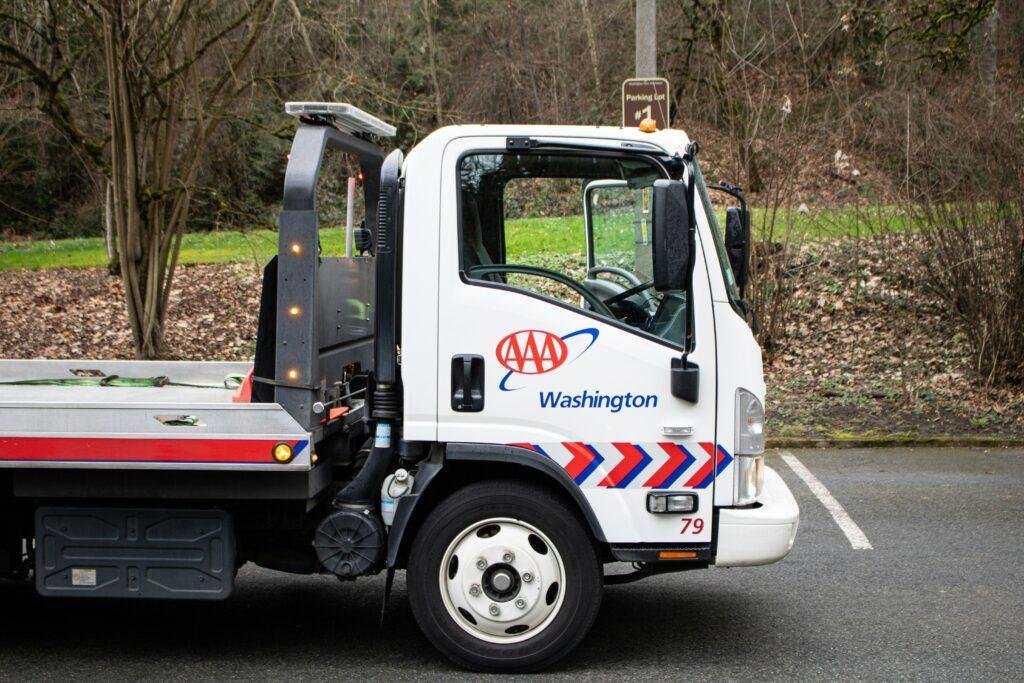
Ever found yourself stranded on the side of the road at midnight because your engine decided to take an impromptu vacation? Yeah, us too. Let’s talk about how your credit card might actually save you—without a panicked Google search for “Engine Troubleshooting.”
What You’ll Learn in This Post
- Why credit card roadside assistance is a hidden gem.
- Steps to use this perk when your engine acts up.
- Tips and best practices to make the most of your card’s benefits.
- Real-life examples of how people avoided disaster (and saved cash).
Table of Contents
- Why Credit Card Roadside Assistance Matters
- How to Use It When Your Engine Acts Up
- Best Practices for Maximizing Benefits
- Real-Life Success Stories
- FAQs About Credit Cards and Roadside Assistance
Key Takeaways
- Many credit cards offer free or discounted roadside assistance as a perk.
- This service can help with common issues like flat tires, dead batteries, and yes—even basic engine troubleshooting.
- Knowing the fine print of your card’s policy is key to avoiding headaches.
- Real users have saved hundreds by using these services instead of calling expensive private companies.
Why Credit Card Roadside Assistance Matters: The Hidden Hero in Engine Troubleshooting
If your car engine starts making noises that sound like your blender after one-too-many margaritas, you’re probably panicking about repair costs. But here’s some good news: many premium credit cards include roadside assistance perks. Shockingly, less than 20% of cardholders know they exist! These services often cover towing, fuel delivery, lockout assistance, and even minor mechanical repairs—all essential for engine troubleshooting.

Confessional Fail: I once ignored my check engine light for weeks, only to break down on a deserted highway during a storm. Spoiler alert: AAA wasn’t an option because I hadn’t renewed my membership. Luckily, my credit card had my back. Moral of the story? Always read the small print before trouble hits—it’s chef’s kiss for peace of mind.
How to Use It When Your Engine Acts Up
Step 1: Check Eligibility
First things first: pull out your wallet (or phone app) and review your cardholder agreement. Not all cards are created equal. Some require annual fees but offer full coverage, while others tack on extra charges per incident. Make a note of limits like mileage caps or call-out fees.
Step 2: Call the Hotline
When disaster strikes, resist Googling “Engine Troubleshooting near me” and dial the number provided by your card issuer. They’ll connect you with a service provider who specializes in roadside emergencies.
Step 3: Document Everything
Take photos of the scene and jot down details about the issue. If your problem requires more than just a jumpstart (say, deeper engine troubleshooting), having documentation will smooth things along later.
“Optimist You:” Follow these tips, and you’ll be cruising again in no time!
“Grumpy You:” Ugh, fine—but don’t forget your phone charger next time!
Best Practices for Maximizing Benefits
- Know Your Limits: Most programs cap assistance at $50-$100 per incident. Anything beyond that could cost you out-of-pocket.
- Avoid Scams: Never give personal info over the phone unless you’re sure it’s legit. Scammers love mimicking official hotlines.
- Keep Records: File receipts and correspondence with your bank. You’ll thank yourself if disputes arise.
Terrible Tip Disclaimer: One mistake we see often? Calling random tow trucks instead of going through your card’s network. Sure, it feels faster—but you might get stuck paying upfront without reimbursement.
Real-Life Success Stories
Case Study #1: Saved $200+
Sarah, a frequent traveler, was driving cross-country when her car sputtered halfway between gas stations. Her Chase Sapphire Reserve card connected her to a mechanic within minutes, diagnosing a minor issue related to engine performance. Total cost to her? Zero dollars.
Case Study #2: Peace of Mind Over Price
James, a freelance writer, faced a dead battery late at night in rural Texas. With no cell towers nearby, his Capital One Venture card came to the rescue via satellite dispatch. He raves that the service felt “like Uber for cars.”

FAQs About Credit Cards and Roadside Assistance
Q: Is roadside assistance always free?
A: Nope. While some cards offer complimentary services, others charge nominal fees per use. Always check your terms.
Q: Can my credit card fix major engine problems?
A: Probably not. Roadside assistance focuses on temporary fixes and towing—not full-blown engine replacements.
Q: Do I need special insurance for this benefit?
A: No, but combining it with auto insurance can provide extra layers of protection.
Conclusion
Credit card roadside assistance may feel like finding a forgotten $20 in your jacket pocket—unexpectedly useful. Whether it’s helping with engine troubleshooting or handling simpler snafus, this perk deserves more attention. Remember to keep your card info handy, understand what’s covered, and steer clear of scams.
Before we go…here’s a little haiku to brighten your commute:
Flat tire, dead spark.
Credit card saves the day—yes!
Road trip vibes restored.