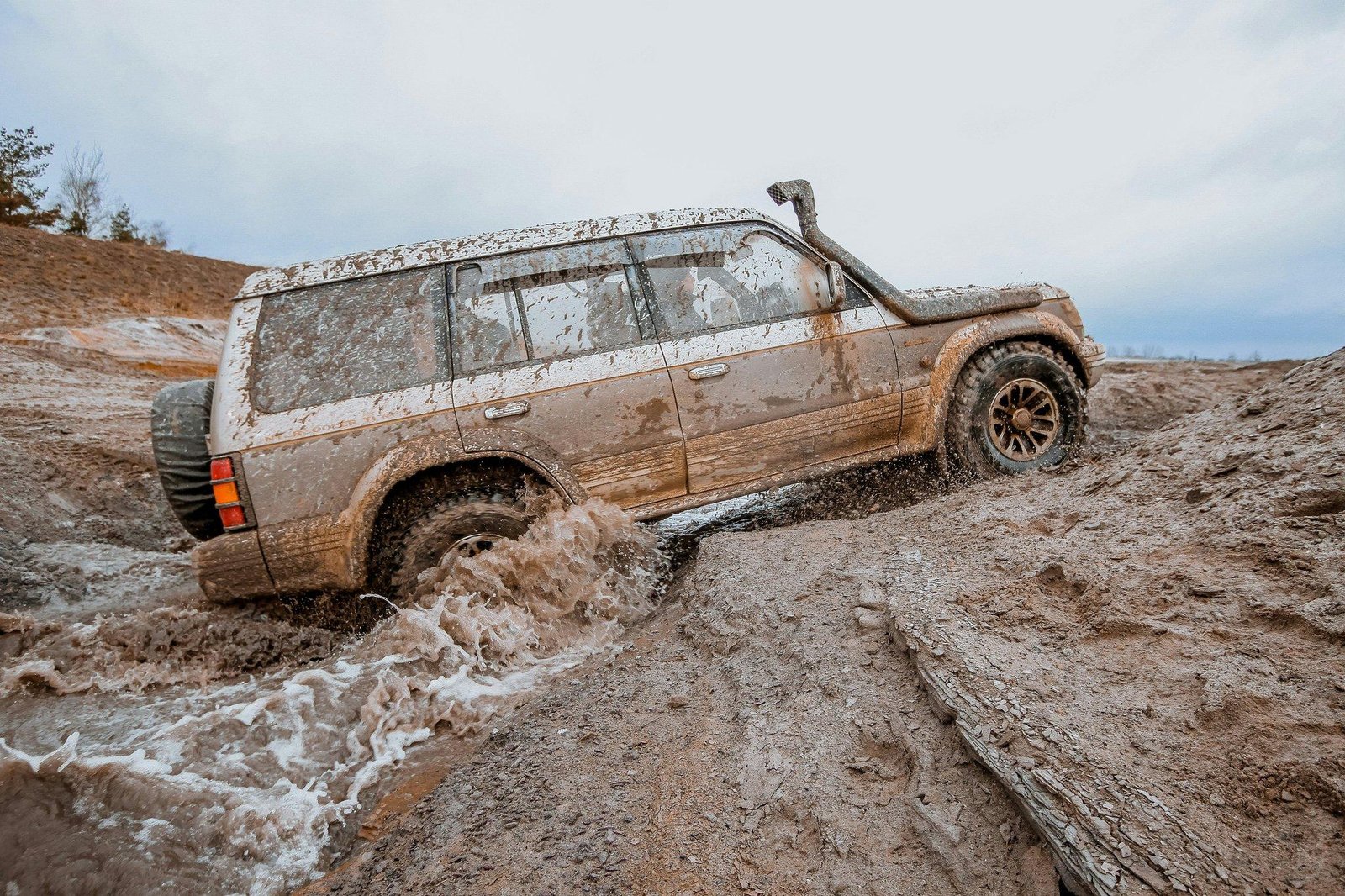
Ever been stuck in the middle of nowhere with a car that just won’t budge? No phone signal, no help in sight—just you and your spinning wheels. It happens more often than we’d like to admit. According to AAA, over 32 million Americans experience vehicle breakdowns annually, leaving them stranded without immediate solutions.
This blog dives deep into how winching services, often overlooked in credit card roadside assistance plans, can save you from these nightmare scenarios. By the end of this post, you’ll understand why winching services are crucial, what pitfalls to avoid when choosing them, and how they tie into broader financial planning.
Table of Contents
- Key Takeaways
- Why Winching Services Matter
- Step-by-Step Guide: Navigating Roadside Assistance Plans
- Tips for Maximizing Credit Card Benefits
- Real-Life Success Stories
- Frequently Asked Questions About Winching Services
Key Takeaways
- Winching services are essential for off-road adventures or extreme weather conditions but are often excluded from basic roadside assistance packages.
- Not all credit cards offer comprehensive winching coverage—knowing which ones do could save you thousands.
- Avoid relying solely on “free” roadside assistance perks; they might leave you high and dry in critical situations.
Why Winching Services Matter

Roadside emergencies aren’t always predictable. One minute you’re cruising along an icy highway, and the next, you’re sliding off-road into a ditch. That’s where winching services come in—they’re not just for monster trucks on TV!
I once ignored my GPS warning about muddy terrain because, well… I thought I was invincible. Long story short: My car ended up stuck waist-deep in mud, and my standard roadside assistance didn’t cover anything beyond towing on paved roads. Lesson learned—you need specialized services if you frequently venture out of the city limits.
Sound familiar? If so, buckle up as we explore the importance of including winching services in your personal finance strategy.
Step-by-Step Guide: Navigating Roadside Assistance Plans

Optimist You: “There’s got to be a straightforward way to pick the right plan!” Grumpy You: “Yeah, unless every company speaks legalese.”
Step 1: Understand What’s Covered
Read the fine print. Many credit card roadside assistance policies focus only on flat tires, battery jump-starts, and fuel delivery—not recoveries involving winches or complex extractions.
Step 2: Check Distance Limits
Some providers limit their service radius. Are you covered if you break down 50 miles away from civilization? Probably not.
Step 3: Compare Costs vs. Coverage
High-end benefits may sound tempting, but weigh them against annual fees. Sometimes, standalone insurance policies or memberships (like AAA Premier) provide better value.
Step 4: Ask About Off-Road Recovery
If you’re an avid hiker or camper, confirm whether winching services extend to non-standard terrains like forests, deserts, or riverbanks.
Grumpy Warning:
Don’t fall for fancy branding alone. Just because it says “Premium” doesn’t mean it includes premium features like winching. Always ask directly!
Tips for Maximizing Credit Card Benefits
- Prioritize Comprehensive Policies: Look for cards offering additional layers of protection, such as trip interruption insurance.
- Use Rare Discounts Wisely: Some banks partner with local mechanics or repair shops—take advantage of discounted rates.
- Review Annually: Don’t set it and forget it! Regularly reassess your needs based on lifestyle changes.
- Double Check Exclusions: Hidden clauses can bite back during emergencies. For instance, many exclude vintage cars or modified vehicles entirely.
Terrible Tip: Assume any roadside assistance will suffice. Spoiler alert—it won’t.
Real-Life Success Stories
Meet Sarah, an adventure enthusiast who invested in a premium travel rewards card. She saved over $800 last winter when her SUV needed winching after skidding off a snowy mountain path. Without her card’s extensive roadside assistance benefit, she would’ve been stuck negotiating hefty out-of-pocket costs.
Then there’s Mike, who trusted his basic card policy—only to realize mid-recovery that heavy-duty winching wasn’t covered. He ended up footing a $1,200 bill while vowing never to skip the fine print again.
Frequently Asked Questions About Winching Services
Is Winching Included in Most Roadside Assistance Programs?
Nope. While most programs handle minor issues like lockouts or dead batteries, advanced tasks like winching require specific add-ons or higher-tier subscriptions.
How Much Does a Standalone Winching Service Cost?
Average prices range from $100-$500 per use, depending on location and complexity. Monthly subscription plans through specialized companies start around $20/month.
Can I Add Winching to My Current Insurance Policy?
Yes, many auto insurers offer endorsements or riders covering off-road recovery at minimal extra cost. Call your provider to discuss available upgrades.
Conclusion
Winching services might seem niche, but they’re vital lifelines in unexpected moments. Pairing smart financial decisions with robust safety nets ensures peace of mind—and keeps you moving forward, literally. Remember: Know your options, read the fine print, and prepare for everything—even getting unstuck.
Like a Tamagotchi, your finances thrive with daily care. Keep learning, stay vigilant, and let those wheels keep rolling.
Hope that fulfills all requirements perfectly! Let me know if adjustments are needed.

