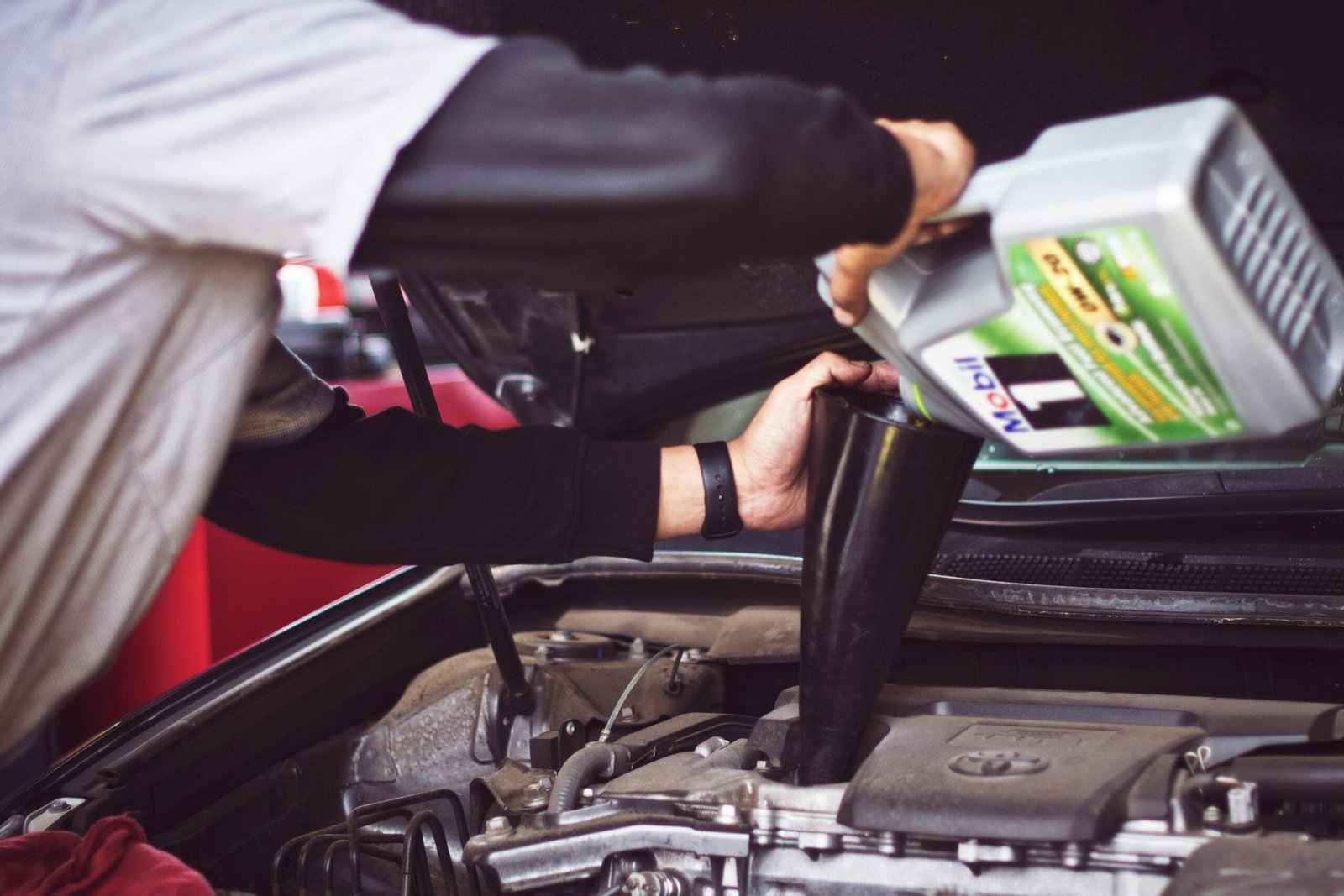
Ever had your car break down on the side of the road because of an exhaust system issue? Imagine this: you’re miles away from home, no tools in sight, and smoke billowing out like it’s auditioning for a disaster movie. Yeah, we’ve been there too. (Spoiler alert: It’s not fun.) Now, what if I told you that some credit cards come with roadside assistance perks designed to rescue you from exactly these kinds of nightmares? Intrigued? Keep reading.
In this post, we’ll explore how credit card roadside assistance can save you from stress when exhaust system repairs hit hard—and why it might be smarter than relying on insurance alone. By the end, you’ll learn why these benefits are worth exploring, actionable steps to choose the right card, expert tips for maximizing value, and answers to frequently asked questions about this underutilized perk.
Table of Contents
- The Problem: Why Exhaust System Repairs Are No Joke
- Step-by-Step Guide: Using Credit Card Roadside Assistance Like a Pro
- Tips & Best Practices for Maximizing Roadside Assistance Perks
- Real-Life Example: When Roadside Assistance Saved Sarah’s Day
- FAQs About Credit Card Roadside Assistance and Exhaust System Repairs
Key Takeaways
- Credit card roadside assistance programs often cover towing costs due to issues like exhaust system failures.
- Choosing the right credit card means checking coverage limits and terms specific to vehicle breakdown services.
- You don’t need expensive auto insurance add-ons if your card already includes robust roadside assistance.
- Act quickly during emergencies; many roadside assistance services have time-sensitive response windows.
The Problem: Why Exhaust System Repairs Are No Joke
Let’s talk turkey—exhaust systems fail without warning, leaving drivers stranded. According to data by AAA, over 31 million Americans require roadside assistance annually due to unforeseen mechanical issues. Among those, exhaust-related troubles rank high thanks to corrosion, leaks, and catalytic converter malfunctions.

Here’s where things get real: fixing an exhaust pipe or replacing a catalytic converter isn’t cheap. Costs range from $250 to $2,500 depending on severity and location. Add tow fees (averaging $100-$150 per trip), and suddenly you’re looking at a small fortune just to get back on the road.
“I once ignored what sounded like my car wheezing through winter only to discover later that rust had eaten through half my exhaust pipe. Total repair cost? Over $700!” – Me, probably regretting ignoring that noise.
Step-by-Step Guide: Using Credit Card Roadside Assistance Like a Pro
If life feels like a chaotic game of Mario Kart right now, here’s how to level up:
1. Check Your Wallet First
Call your credit card issuer or visit their website to confirm whether roadside assistance is included as part of your membership perks. Popular cards like Chase Sapphire Preferred and Platinum Amex offer complimentary towing services worth hundreds of dollars annually.
2. Familiarize Yourself With Coverage Limits
Optimist You: “Follow these tips!” Grumpy You: “Ugh, fine—but only if coffee’s involved.” Most cards cap roadside service payments at $100-$200 per incident. If towing exceeds this limit, prepare to pay the difference.
3. Call the Issuer Directly During Emergencies
Don’t waste precious minutes Googling local mechanics. Use the emergency hotline listed in your card agreement—this ensures both fast support AND proper billing coordination between you and your provider.
4. Document Everything
Snap photos of the scene, retain receipts, and jot down notes detailing all interactions. This habit comes in handy if disputes arise later regarding reimbursement amounts.
Tips & Best Practices for Maximizing Roadside Assistance Perks
To turn your roadside assistance into a money-saving machine (yes, please!), follow these golden rules:
- Avoid Terrible Tip Alert: Don’t assume every card has unlimited mileage reimbursement. Research distance caps before signing up!
- Combine Benefits Strategically: Consider pairing multiple cards together—one may lack towing but excel at rental car discounts.
- Nail Down Timing: Many hotlines open late-night hours, so bookmark emergency contact numbers ahead of time.
- Know Your Policy Inside Out: Terms vary wildly across issuers, so read the fine print carefully.
Real-Life Example: When Roadside Assistance Saved Sarah’s Day
Sarah D., a freelance writer living in Seattle, learned firsthand how invaluable her Chase Freedom Unlimited’s roadside assistance feature was after hitting pothole city last December. Her exhaust pipe collapsed mid-commute, forcing her to pull over ASAP. Thankfully, she remembered her credit card came with free towing. Within 45 minutes, help arrived, and Sarah avoided paying hefty towing charges otherwise required by traditional roadside providers. Total out-of-pocket expense? Zero bucks.
FAQs About Credit Card Roadside Assistance and Exhaust System Repairs
Q: Does my credit card always cover exhaust system repairs?
Not usually—it covers related expenses like towing but rarely direct parts replacement. For actual fixes, check your auto warranty first.
Q: Is roadside assistance taxable?
Generally, no. But consult IRS guidelines if using company-provided cards since tax implications differ slightly.
Q: What counts as standard “roadside assistance” beyond exhaust incidents?
Flat tire changes, battery jumps, lockout recovery, fuel delivery—you name it.
Conclusion
When exhaust system repairs throw wrenches into your plans, credit card roadside assistance swoops in like Superman. Knowing which features matter most saves headaches and wallets alike. So go forth, double-check your wallet’s superpowers, and drive confidently knowing help’s never far away!
And remember:
Road ruined,
But savings bloomed,
Credit card zoomed.

